Al Balqa – September 2nd 2026
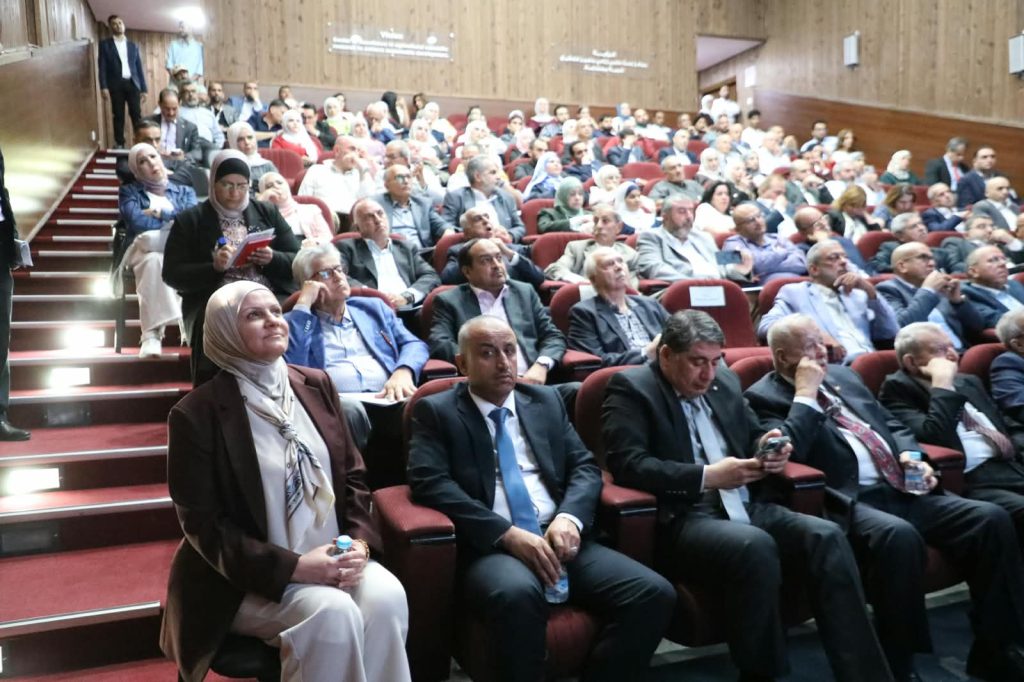
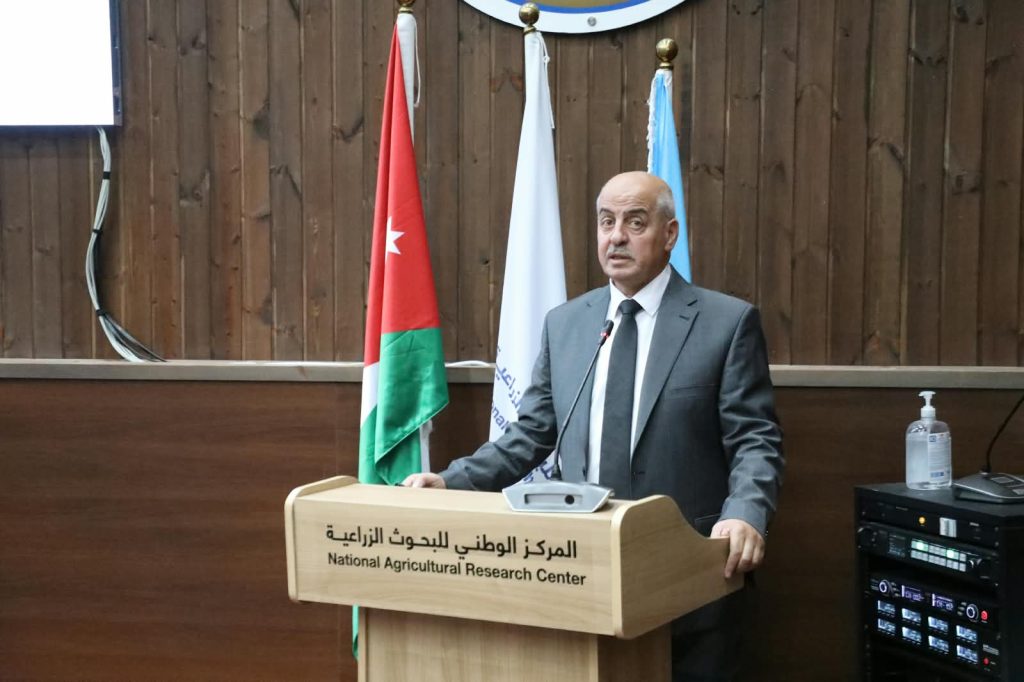
The 2nd Jordan Date Palm Scientific Day, held at the National Agricultural Research Center (NARC) and organized by the Jordan Dates Association (JODA), the National Agricultural Research Center, the Jordan Society for Scientific Research (JSSR), and in strategic partnership with the Food and Agriculture Organization of the United Nations (FAO) office in Amman, under the title “Sustainability Prospects of Date Palms in Jordan”, discussed the most prominent production, climatic, and marketing challenges facing the sector and ways to ensure its sustainable growth and elevate its presence in the markets.
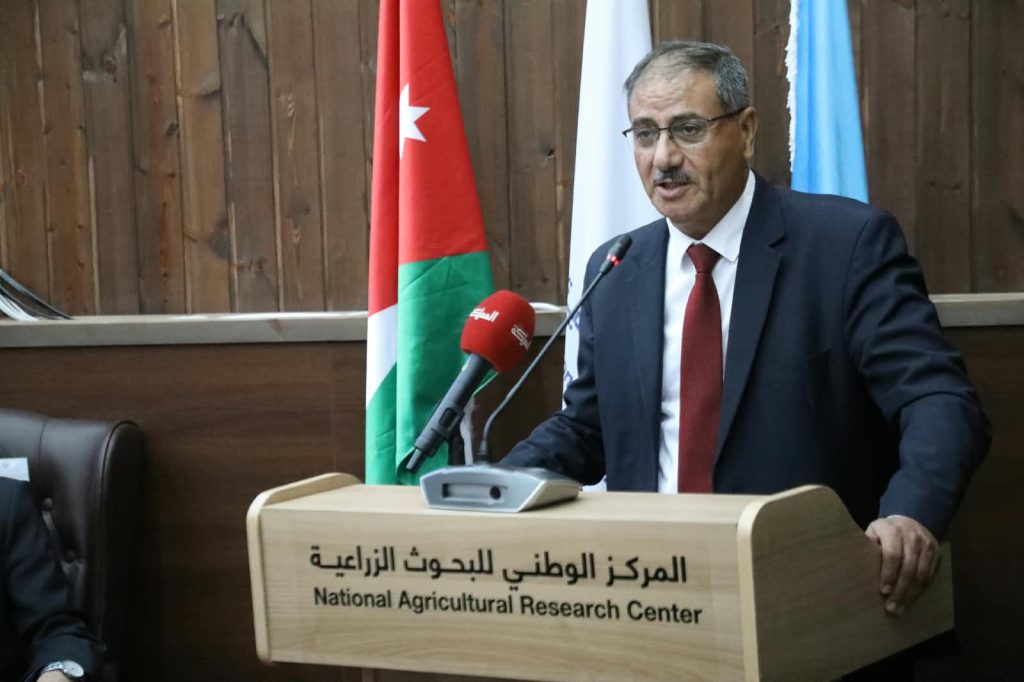
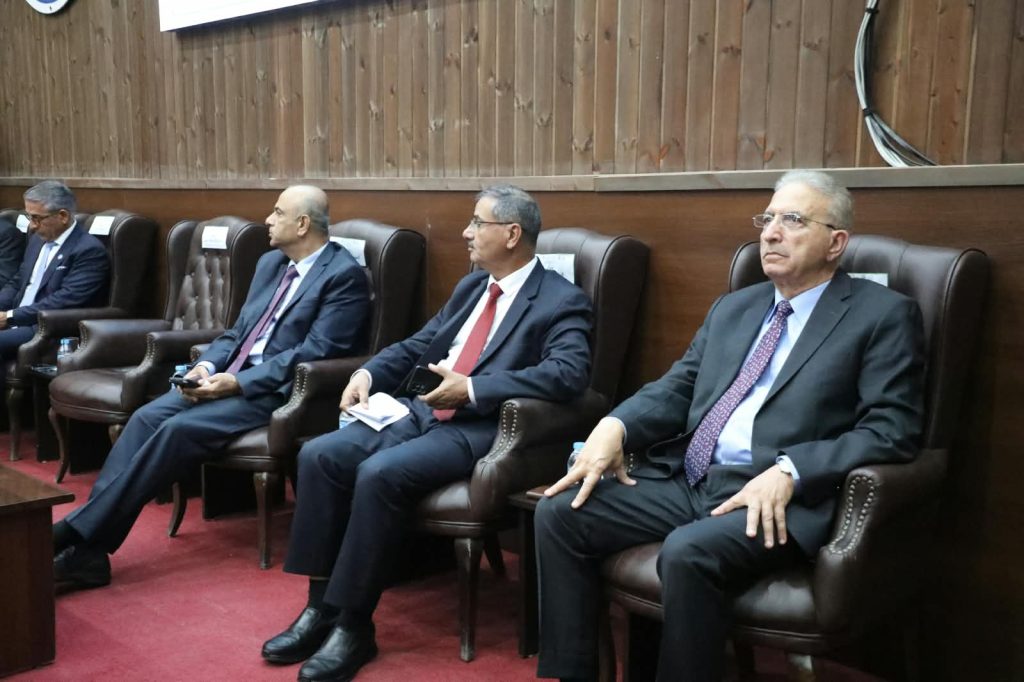
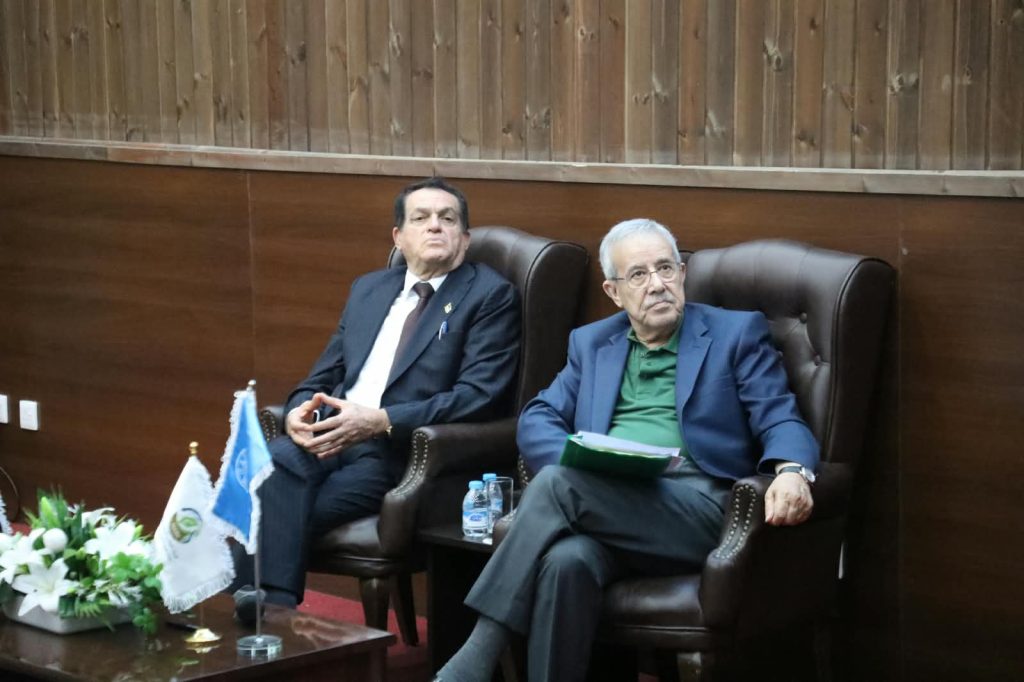
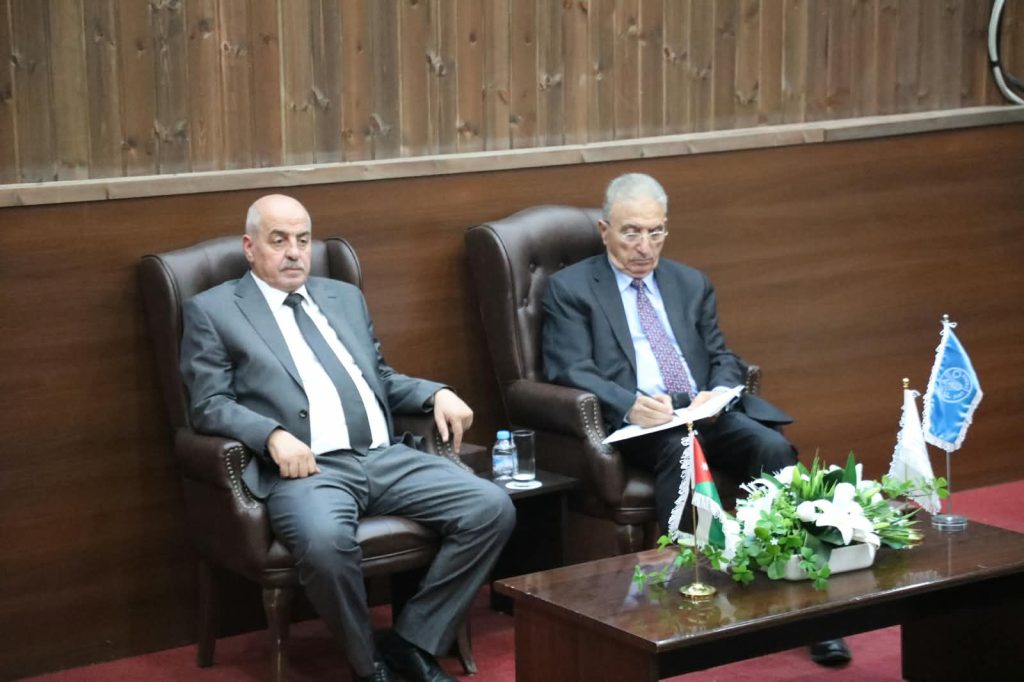
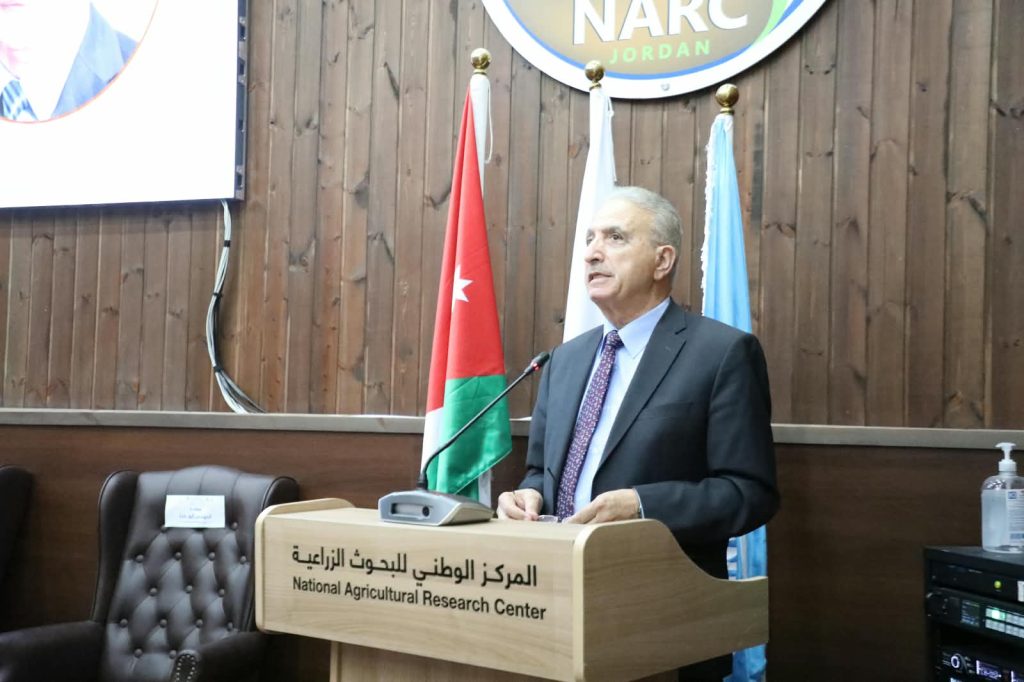
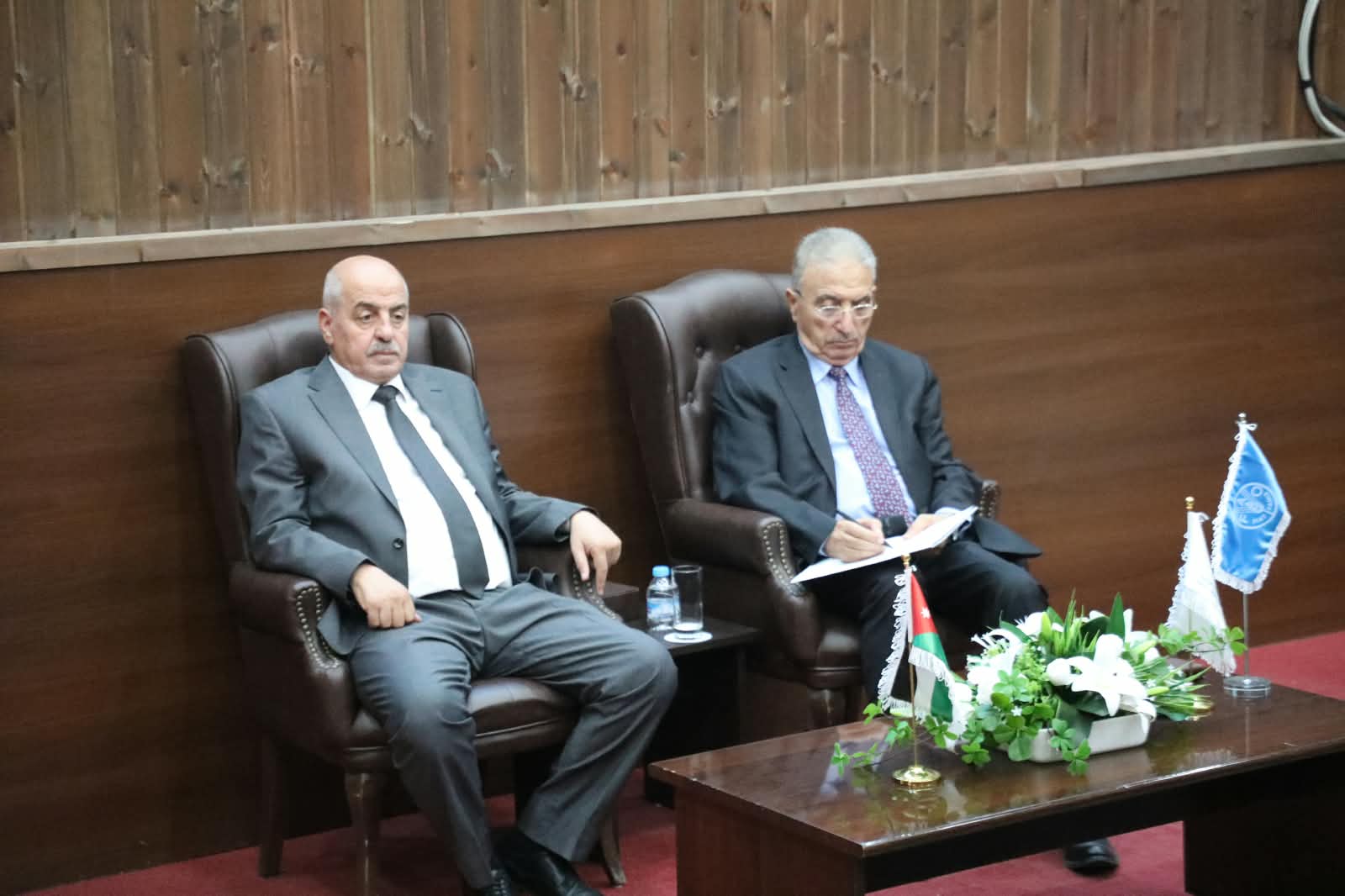
Under the patronage of the Minister of Agriculture, presented by the ministry’s Secretary General, Engineer Mohammed Al-Hayari on behalf of His Excellency the Minister of Agriculture, Professor Saeb Khraisat; in the presence of His Excellency the former Prime Minister, Professor Adnan Badran, a number of former Ministers of Agriculture, and with the participation of researchers, experts, farmers, and representatives of official institutions, agricultural civil society institutions , and the private sector.
Al-Hayari emphasized that the growth of the date palm sector requires continued efforts to increase production efficiency, improve fruit quality, rationalize water use, and enhance the added value of Jordanian dates and their global competitiveness. He also pointed to the importance of developing post-harvest handling, packaging, and marketing, and expanding pest and disease prevention measures to maintain product quality.
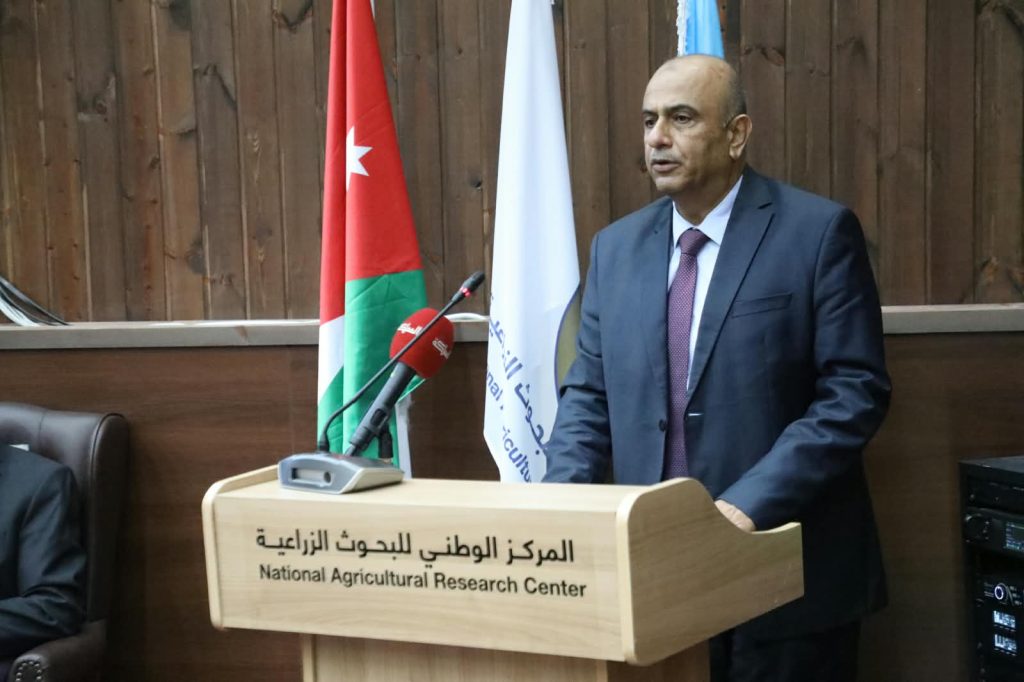
For his part, the Acting Director General of the National Agricultural Research Center, Dr. Zakaria Musallam, affirmed that more than a quarter of a century of research in the date palm sector has resulted in the implementation of 40 specialized research projects, the publication of 15 peer-reviewed scientific papers, the establishment of a genetic repository encompassing 22 varieties, and the development of a national platform that has documented 499 farms. He pointed out that the application of research findings has contributed to reducing the phenomenon of alternate bearing by 80%, decreasing the percentage of small or undesirable fruits by 28%, and lowering labor costs in the pollination process by 10% through the use of water pollination technology. He added that the center is directing a portion of its research towards addressing the phenomena of skin peeling and swelling in Mejhoul dates, given their direct impact on fruit quality and market value.
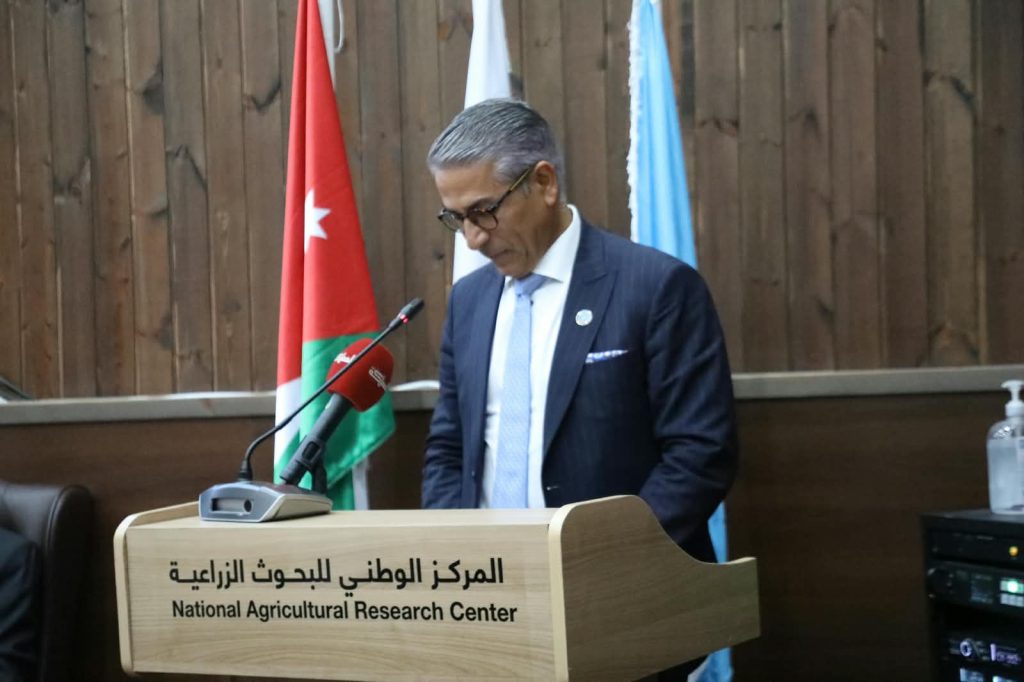
In turn, the Chairman of the Jordan Dates Association, Engineer Anwar Haddad, explained that the sector holds approximately 850,000 trees across an area exceeding 56,000 dunams. In 2025, production reached nearly 37,000 tons, of which more than 20,000 tons were exported, generating over 80 million US dollars in revenue. The sector also provided approximately 12,000 job opportunities. He emphasized the need to direct research towards the challenges facing farmers and producers, and to link scientific solutions with the requirements of production, marketing, and export, thereby sustaining the sector’s growth and opening new markets for Jordanian dates.
Meanwhile, His Excellency Professor Dr. Rida Shibli Al-Khawaldeh, Head of the Jordan Society for Scientific Research (JSSR), called for the preparation of a national agenda for research and innovation in the date palm sector that links research priorities with the needs of farmers. Dr. Samih Abu Bakr, Vice President of the JSSR, stressed the importance of transforming research results into applied technologies and solutions that contribute to improving production and the efficiency of resource use.
Additionally, His Excellency Dr. Akef Al-Zoubi, Chairman of the Agriculture and Water Committee in the Senate, stressed the importance of directing research to address water scarcity and improve the efficiency of water resource use. Dr. Thaer Yassin, representative of the Food and Agriculture Organization of the United Nations in Jordan (FAO), pointed to the importance of employing knowledge, data and modern practices in supporting the sustainability of the palm sector and emphasized the continued support of the FAO for the “One Product, One Country” initiative, in which Jordan has adopted palm dates for.
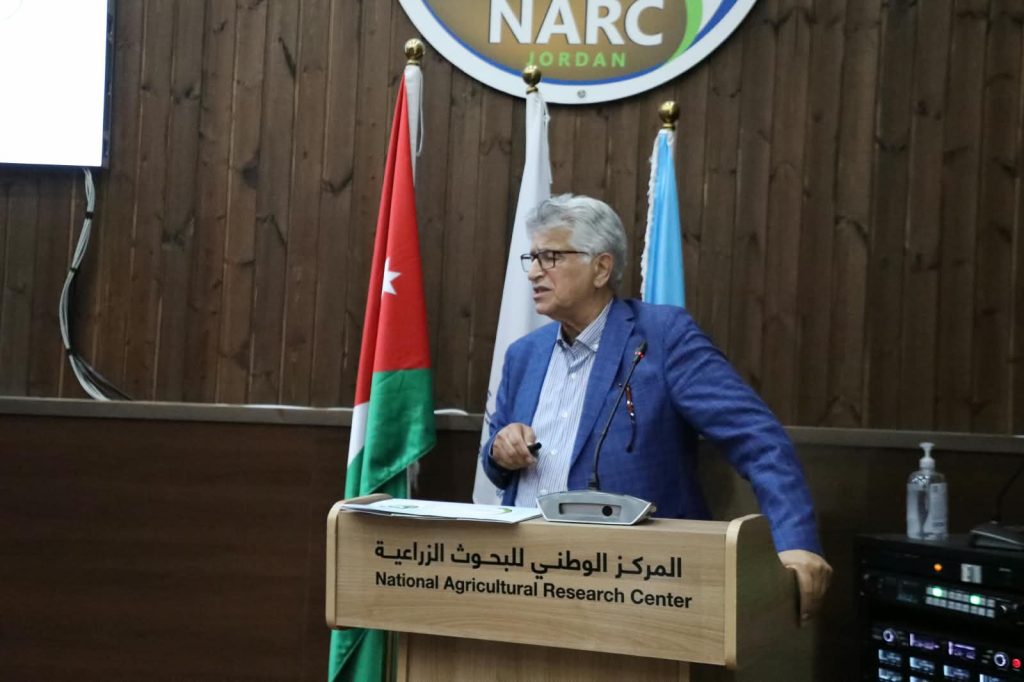
The preparatory committee for the scientific day, headed by the Assistant Director General for Research Affairs at NARC, Dr. Abeer Albalawneh, prepared a scientific program that addressed the future of palm cultivation in light of water scarcity, the use of genetic analysis in distinguishing varieties, integrated management of the red palm weevil, and the effect of nitrogen and potassium fertilization on production and fruit quality.
The sessions also explored latent pests and their role in declining productivity, the use of different types of bunch bags to reduce skin peeling and swelling, combating palm pests, the nutritional value of dates and their role in a healthy diet, in addition to a new technique for pollinating the Barhi and Mejhoul varieties under the environmental conditions of the Jordan Valley.
The discussions, moderated by Dr. Zakaria Muslim and Engineer Anwar Haddad, concluded that more research should be directed towards water use efficiency, addressing the phenomena of skin peeling and swelling, early detection and control of pests, improving post-harvest handling, promoting the transfer of research results to farmers, and developing the national database for palm farms.
The participants also recommended dedicating the 3rd Jordan Date Palm Scientific Day to discussing the sector’s value chain, from production and harvesting to packaging, processing, marketing, and export, with the aim of identifying areas of loss and opportunities to increase added value and improve the returns for farmers and producers. The final recommendations emphasized the need for continued efforts to maintain the organization of the date palm sector in accordance with available resources and future prospects.